
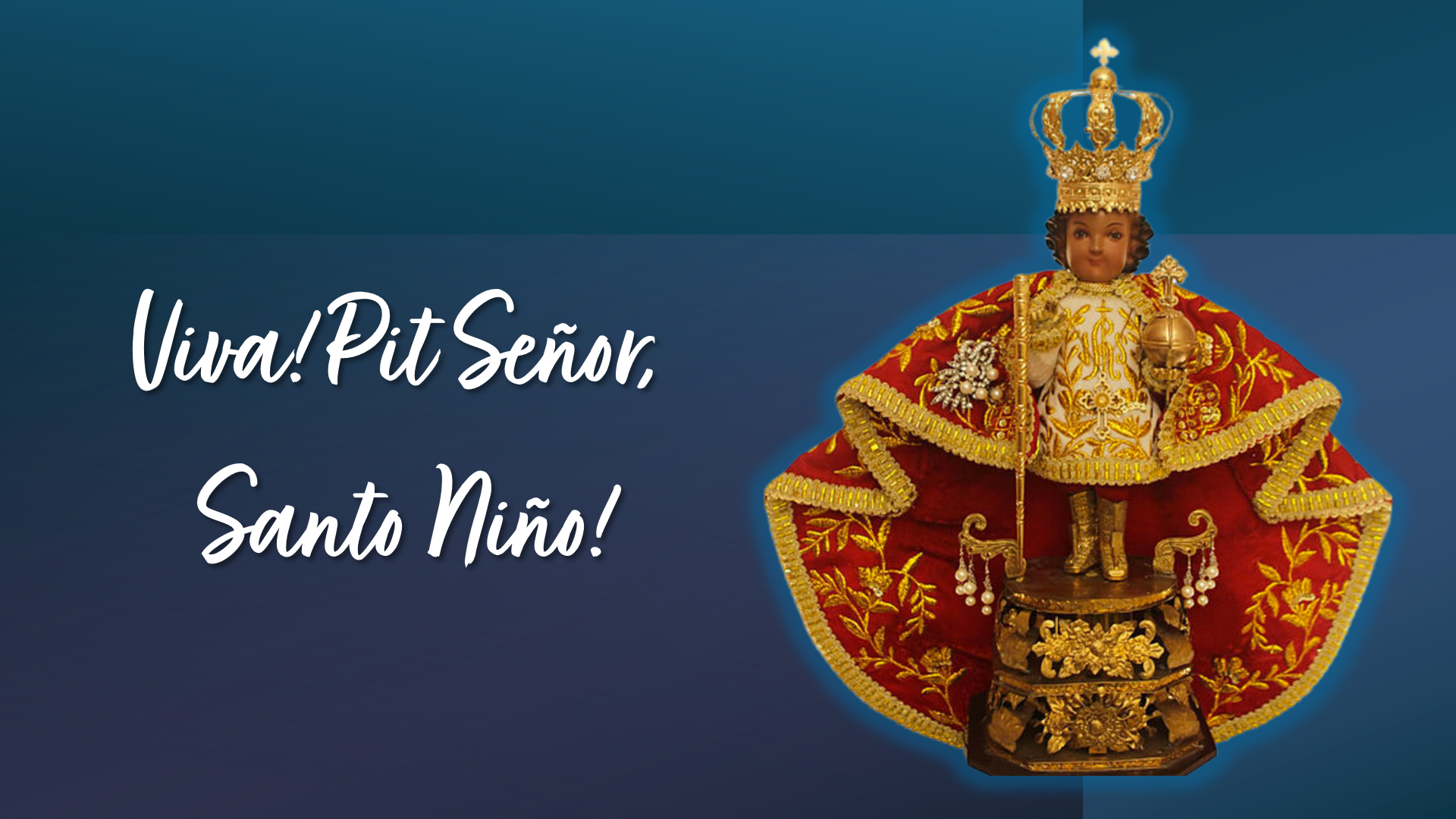
 The devotion to the Santo Niño in the Philippines is a deep-rooted and widely celebrated religious tradition that holds a special place in the hearts of Filipinos. The Santo Niño, or the Holy Child, is a representation of the infant Jesus and is typically depicted with a crown, adorned in regal attire, and holding a scepter in one hand while raising the other in a gesture of blessing.
The origins of the devotion to the Santo Niño can be traced back to the early days of Spanish colonial rule in the Philippines. It is said that in 1521, the Portuguese explorer Ferdinand Magellan arrived in the Philippines and presented an image of the Santo Niño to Rajah Humabon and his wife, Hara Amihan, as a gift to celebrate their baptism to Christianity. The image was said to have miraculous powers, and many attributed the favorable outcomes of battles and other events to the intercession of the Santo Niño.
The devotion to the Santo Niño took hold and spread throughout the islands, becoming deeply interwoven with Filipino culture and spirituality. One of the most well-known and grand celebrations in honor of the Santo Niño is the Sinulog Festival, which takes place in Cebu City every January. The festival is a vibrant and colorful display of faith, featuring street dancing, processions, and religious rituals that attract throngs of devotees and tourists alike.
The devotion to the Santo Niño is not only celebrated during festivals, but also through daily prayers, novenas, and regular attendance at Mass. Many Filipino families have a special place in their homes dedicated to the Santo Niño, with an altar adorned with flowers, candles, and other offerings as a sign of their devotion and gratitude.
The Santo Niño is also deeply connected to the concept of “pamana” or inheritance in Filipino culture. It is common for families to pass down the devotion to the Santo Niño from generation to generation, with the image of the Holy Child being treasured as a family heirloom. This sense of continuity and tradition strengthens the bond between individuals and the Santo Niño, creating a sense of shared faith and spirituality within the family unit.
Beyond its religious significance, the devotion to the Santo Niño also serves as a unifying force within Filipino communities, fostering a sense of belonging and shared identity. Whether in rural villages or bustling urban centers, the devotion to the Santo Niño brings people together, transcending social, economic, and cultural differences.
The Santo Niño also holds a special place in the hearts of Filipino seafarers, who often carry an image of the Holy Child with them as a symbol of protection and guidance during their voyages. This practice reflects the deep trust and faith that many Filipinos place in the Santo Niño as a source of strength and comfort in times of uncertainty and adversity.
The devotion to the Santo Niño is a testament to the enduring spiritual resilience of the Filipino people, reflecting their unwavering faith and trust in divine providence. It is a source of inspiration and hope, reminding believers of the presence of the Holy Child in their lives and the promise of blessings and miracles.
In conclusion, the devotion to the Santo Niño in the Philippines is a rich and multifaceted tradition that embodies the profound faith, cultural heritage, and communal spirit of the Filipino people. It continues to be a source of strength, unity, and inspiration, providing a tangible expression of the enduring bond between the Filipino people and the Santo Niño.
 SCJ Philippines Region