
 The celebrations of All Saints’ Day on November 1 and All Souls’ Day on November 2 are central to the Catholic Church’s tradition of remembering the dead. These days honor both the saints who have attained heaven and the souls who are still undergoing purification. Together, they remind Catholics of the “Communion of Saints,” that unity between the Church on earth, in purgatory, and in heaven.
The Solemnity of All Saints’ Day
All Saints’ Day, or the Solemnity of All Saints, is dedicated to honoring every saint – both those canonized or beatified and those whose lives of sanctity remain hidden from the world. This celebration was instituted by Pope Gregory III in the eighth century, who designated November 1 as a day to honor all saints, known and unknown. The feast has roots in the early Church, which celebrated the lives of Christian martyrs in its liturgies, particularly in the Eastern Church.
The day celebrates the universal call to holiness, acknowledging that sainthood is not reserved for a select few but is possible for anyone who seeks to follow Christ faithfully. In honoring the saints, Catholics are reminded of the importance of living a life of virtue, humility, and love. This feast is a holy day of obligation, meaning that Catholics are required to attend Mass and reflect upon their connection with the saints, who serve as models of faith and dedication.
In countries like the Philippines, this day carries cultural significance beyond the commemoration of the saints. Families gather in cemeteries to honor not only the saints but also departed relatives and friends. This tradition includes prayers, offerings, candle lighting, and vigils, reflecting a rich cultural blending of respect for saints and loved ones.

All Souls’ Day: Praying for the Faithful Departed
All Souls’ Day on November 2 has a different focus, centering on prayers for the souls in purgatory, who are undergoing final purification before entering heaven. This tradition of praying for the dead is ancient, yet the formal institution of All Souls’ Day is attributed to St. Odilo, Abbot of Cluny, in the 10th century. St. Odilo dedicated November 2 as a day of universal prayer for the deceased, creating a day of remembrance that complements the previous day’s celebration of saints in heaven.
All Souls’ Day emphasizes the Catholic belief in purgatory – a state of purification for those who have died in God’s grace but still require cleansing from sin before they can enter heaven. Catholics believe that their prayers, sacrifices, and Mass offerings benefit these souls, helping them reach eternal peace. This is a day marked by Masses and prayers for the dead, often accompanied by visiting the graves of loved ones.


A Celebration of Hope and Communion
Both days embody hope and the promise of resurrection, offering comfort to the living and reminding them of the interconnectedness of the Church. The prayers and Masses offered highlight the importance of charity, as the faithful pray for both the known and unknown, those who intercede for us in heaven, and those still journeying toward it.
In summary, All Saints’ Day and All Souls’ Day are vital celebrations within the Catholic tradition, urging us to reflect on holiness, to remember our own loved ones, and to honor the saints who inspire us to live in faith and virtue. These days are a celebration of life, unity, and the continuous journey of the faithful, culminating in the eternal promise of being one with God in heaven. 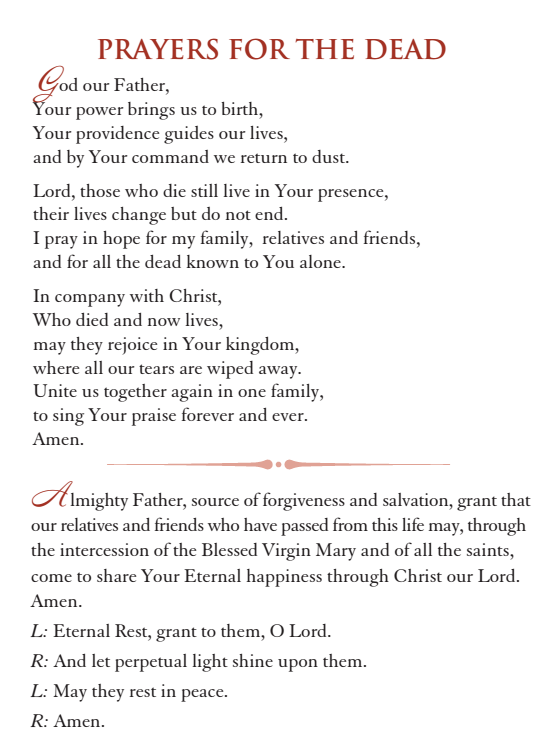
 SCJ Philippines Region
Pingback: A FIERY TRIBUTE TO ANCESTORS - World Festivals