 St. Francis Xavier, (1506-1552). Born in the family castle of Xavier, near Pamplona in the Basque area of Spanish Navarre on Apr. 7, he was sent to the University of Paris in 1525, secured his licentiate in 1528, met Ignatius Loyola and became one of the seven who in 1534, at Montmartre founded the Society of Jesus. In 1536 he left Paris to join Ignatius in Venice, from whence they all intended to go as missionaries to Palestine (a trip which never materialized), was ordained there in 1537, went to Rome in 1538, and in 1540, when the pope formally recognized the Society, was ordered, with Fr. Simon Rodriguez, to the Far East as the first Jesuit missionaries. King John III kept Fr. Simon in Lisbon, but Francis, after a year’s voyage, six months of which were spent at Mozambique where he preached and gave aid to the sick eventually arrived in Goa, India in 1542 with Fr. Paul of Camerino an Italian, and Francis Mansihas, a Portuguese. There he began preaching to the natives and attempted to reform his fellow Europeans, living among the natives and adopting their customs on his travels. During the next decade he converted tens of thousands to Christianity. He visited the Paravas at the tip of India. near Cape Comorin, Tuticorin (1542), Malacca (1545), the Moluccas near New Guinea and Morotai near the Philippines (1546-47), and Japan (1549- 51). In 1551, India and the East were set up as a separate province and Ignatius made Francis its first provincial. In 1552 he set out for China, landed on the island of Sancian within sight of his goal, but died before he reached the mainland. Working against great difficulties, language problems ( contrary to legend, he had no proficiency in foreign tongues ), inadequate funds, and lack of cooperation, often actual resistance, from European officials, he left the mark of his missionary zeal and energy on areas which clung to Christianity for centuries. He was canonized in 1622 and proclaimed patron of all foreign missions by Pope Pius X.

 Last February 27, 2016, the representatives of Lay Dehonians’ movement from Indonesia, Vietnam and the Philippines met in Ho Chi Minh City in Vietnam. One of the topics discussed during that meeting was the implementation of the Spiritual Path (Iter Formativo) in their respective countries. The participants shared their insights and difficulties in translating it into the Asian context, which is different from other continents. The Philippines was represented by Fr. Rechie Gier, SCJ and Atty Grace Escobia.
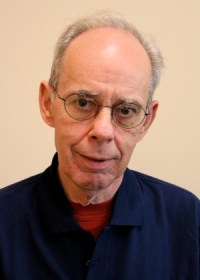 The news about the death of Fr. P.J. McGuire shocked many of the members of the SCJ Philippine Region. Fr. P.J. a member of the US SCJ Province and expert on the Dehonian Spirituality had visited the Philippines several times, especially in recent years to conduct seminars, retreats and English classes. He loved the Philippines and was loved by the SCJ students for his simplicity, friendship and sense of humor. Very organized and well prepared… always ready to share his knowledge and experience. In fact, he was planning to come to the Philippines in June to teach our students English as a second language… but God had other plans for him…


 SCJ Philippines Region