
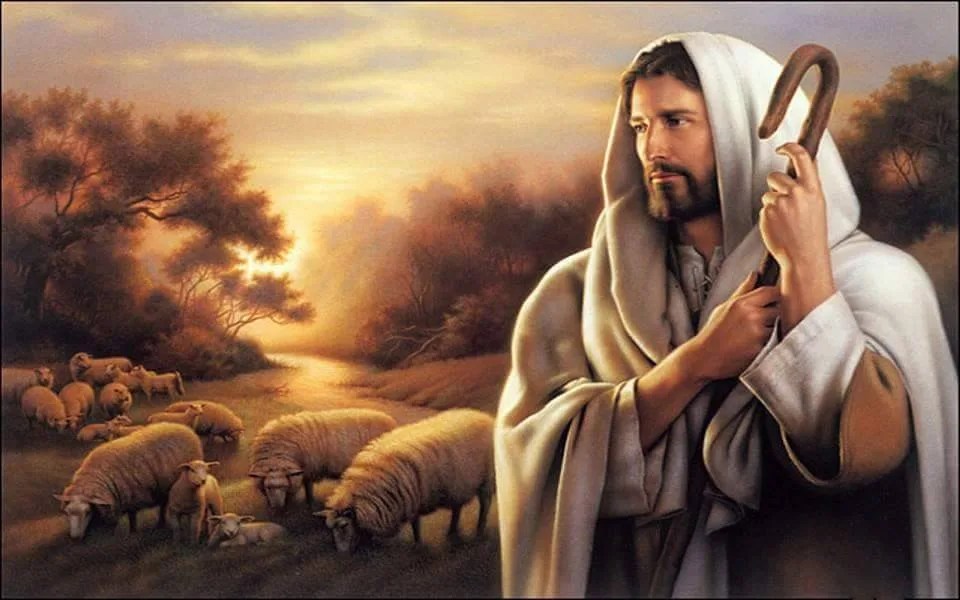
The image of the shepherd is one of the most tender and powerful images used by Jesus. In the Gospel (John 10:1–10), He speaks about sheep, the gate, thieves, and the shepherd who calls his sheep by name. Behind this simple rural picture lies a deep truth about our relationship with God and the way we live our lives.
Jesus begins with a warning. He speaks about thieves and robbers who try to enter the sheepfold by another way instead of through the gate. Their intention is not to care for the sheep but to take advantage of them. In the same way, many voices in our world promise happiness, freedom, or fulfillment but lead people away from what truly gives life. These voices may come through ideologies, social pressures, or even our own selfish desires. They promise much but often leave the human heart empty.
In contrast, Jesus presents Himself as both the shepherd and the gate. The shepherd knows his sheep personally. He calls them by name, and they recognize his voice. This is a beautiful reminder that faith is not simply about belonging to a religion or following rules. It is about a relationship. God does not see us as a crowd or as numbers. Each person is known, loved, and called individually.
Think about a simple example from daily life. When someone we love calls us on the phone, we often recognize the voice immediately, even before they say their name. Why? Because we know that person well. The same happens in our spiritual life. The more we pray, reflect on the Gospel, and spend time with God, the easier it becomes to recognize the voice of Christ guiding our decisions.
But this Gospel also challenges us. Jesus says that the sheep follow the shepherd because they know his voice. The question for us is very personal: whose voice are we really following? Is it the voice of Christ, or the louder voices of the world—success, comfort, power, or fear?
Jesus also declares something very important: “I came so that they may have life, and have it more abundantly.” This is not merely about biological life or material well-being. Jesus speaks about a deeper life: a life filled with meaning, hope, love, and communion with God. Many people today live busy and successful lives, yet still feel a deep emptiness. Christ offers something greater—the fullness of life that comes from walking with Him.
The Fourth Sunday of Easter is often called Good Shepherd Sunday. It invites us to renew our trust in Christ as the one who guides us. But it also reminds us of another responsibility. Those who follow the Good Shepherd are called to reflect His care for others. Parents, teachers, priests, and all people who influence others are invited to guide, protect, and serve rather than dominate.
In a world filled with many confusing voices, the Gospel invites us to slow down and listen carefully. The voice of Christ is never the loudest, but it is always the most faithful. It speaks in the Gospel, in prayer, in conscience, and often through the quiet needs of other people.
The real question of this Gospel is simple but demanding: Do we recognize the voice of the Shepherd? And when we hear it, do we have the courage to follow where He leads?
 SCJ Philippines Region