


On May 19, 2019, the two newly ordained priests were saying their “Thanksgiving Masses”, Fr. Joel J. Bolo, SCJ in Dansolihon and Fr. Ruel C. Paalisbo, SCJ in Bacolod (Lanao del Norte).
The celebration in Dansolihon started at 8:00 AM and was attended by some SCJ priests from the formation community in Cagayan de Oro and parishioners from the Jesus Nazareno Chaplaincy. The homily was delivered by Fr. John Karl Cabaluna, SCJ, the parish priest of Kumalarang, who once was in charge of the chaplaincy.


After the Mass, Fr. Joel gave his individual blessing to all who approached him and kissed his hands. The practice of kissing the hands of a newly ordained priest is a long-established custom in some countries. During ordination a new priest’s hands are anointed with chrism as a sign of consecration and of the change that has been effected in his soul. The custom of kissing his hands stems from a recognition of the fundamental change that has occurred and of the particular importance of the sign of the hands in priestly ministry. After ordination the priest uses his hands to hold the Eucharistic species during the consecration, to make the sign of the cross while absolving sins, to anoint the sick and dying, and on occasion to impart the sacrament of confirmation.
The celebration ended at the table which is a very essential element in the Philippine culture.
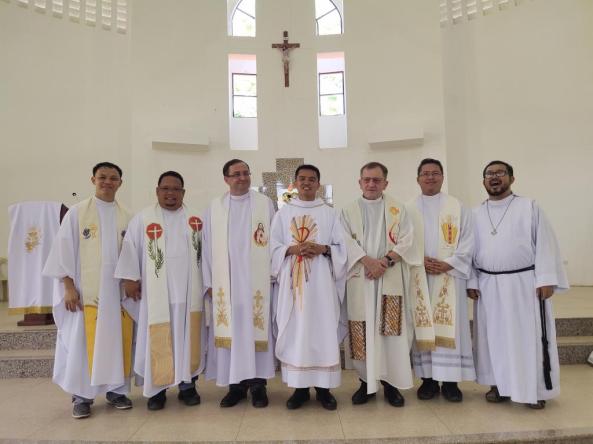
Similar celebration was held at Santo Niño Parish in Bacolod, Lanao del Norte, the place of Fr. Ruel C. Paalisbo, SCJ.


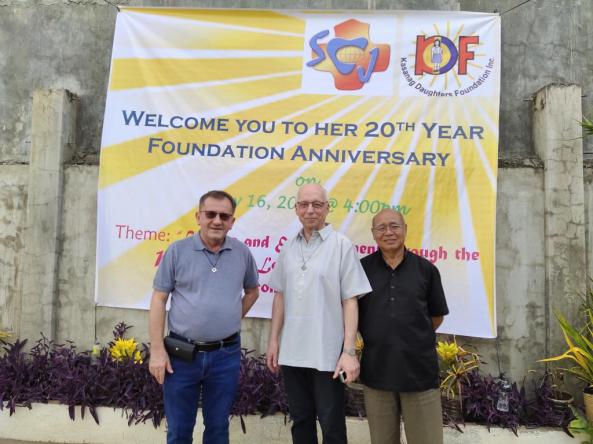 Second activity on May 16, 2019, as a part of bigger celebration of 30th anniversary of SCJ missionary presence in the Philippines, was the 20th Foundation Anniversary of Kasanag Daughters Foundation, Inc. (KDFI).


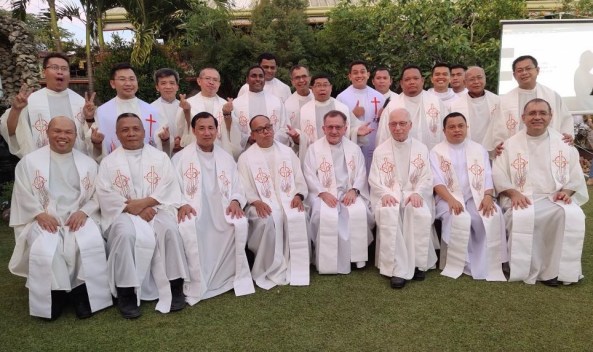 Up to the present more than 200 girls received help from the institution.


 Two SCJ’s: Fr. Joseph Muego and Dn. Joel Bolo joined the Diocesan Clergy of Mindanao Convention (DCM) held in Ozamis City from February 18 – 20, 2019. The theme of this year’s convention is


 SCJ Philippines Region